

When it comes to protecting your home’s plumbing system, one often-overlooked component plays a big role: the water heater expansion tank. Whether you’re a homeowner or a real estate agent working with Horizon Point Home Inspections, understanding the purpose and function of expansion tanks is crucial for maintaining a safe and efficient home.
In this blog, we’ll cover everything you need to know about water heater expansion tanks,
including what they are, why they’re essential, and how Horizon Point evaluates them during a home inspection. Let’s dive in!
What Is a Water Heater Expansion Tank?
A water heater expansion tank is a small auxiliary tank installed near your water heater (See below). Its primary function is to manage the thermal expansion that occurs when water is heated. When water heats up, it expands, increasing the pressure inside your plumbing system. In a closed plumbing system—one that uses check valves, pressure-reducing valves, or backflow preventers at your main water shut off—there’s nowhere for that extra pressure to go. An expansion tank provides a safety buffer by absorbing this pressure, preventing strain on your pipes, fixtures, and water heater.
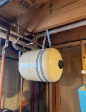
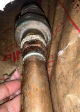
Expansion Tank Check Valve-Located above main water shut off
When Are Expansion Tanks Required?
Building codes often require expansion tanks in homes with closed plumbing systems. If your water heater has a check valve or backflow preventer, you’ll likely need one. These systems are common in modern homes and are designed to prevent water from flowing back into the municipal supply, protecting your water source from contamination. Local regulations may vary, so it’s always a good idea to check your area’s plumbing codes—or better yet, schedule an inspection with Horizon Point.
What Happens If You Don’t Have an Expansion Tank?
Failing to install an expansion tank in a closed system can lead to issues, including:
- Leaking water heaters: Excess pressure can weaken the water heater’s tank, leading to leaks.
- Damaged pipes and fixtures: High pressure can damage valves, faucets, and other
components of your plumbing system. - Shortened appliance lifespan: Appliances like dishwashers and washing machines may wear out faster due to the strain of fluctuating pressure.
- Safety concerns: In rare cases, extreme pressure buildup can lead to catastrophic water heater failure.
How Horizon Point Inspects Expansion Tanks
During a home inspection, Horizon Point inspectors carefully evaluate the expansion tank to ensure it’s functioning properly. Here’s how we do it:
- Visual inspection: Checking for visible signs of wear, such as rust, corrosion, or leaks.
- Pressure testing: Checking for air pressure inside the tank.
- Bladder integrity test: Tapping the tank to ensure the internal rubber bladder is intact. A properly functioning tank will sound hollow (air) at the top and solid (water) at the bottom.
- Connection check: Confirming that the tank is securely attached and properly installed.
These steps ensure that your plumbing system is operating safely and efficiently.
Signs Your Expansion Tank Has FailedA failing expansion tank can compromise your entire plumbing system. Watch for these warning signs:
- Leaking or corroded tank: Visible damage often means the tank needs replacement. If you see water leaking from your Temperature Pressure Relief Valve (TPRV) line your expansion tank may be compromised.
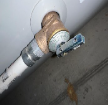 TPRV
TPRV - Constantly running water heater: This could indicate your expansion tank is no longer absorbing pressure.
- No air pressure: If the tank has no air pressure, it could indicate the bladder is damaged or leaking internaly leaving the tank useless.
What Causes Expansion Tanks to Fail?
Expansion tanks are durable but can fail over time due to:
- Wear and tear: Rubber bladders deteriorate with age, leading to leaks or loss of
pressure. - Improper installation: Incorrect installation can lead to premature failure.
- Excessive water pressure: Pressure that exceeds the tank’s design can cause damage.
- Corrosion: Exposure to moisture and high humidity can cause rust and weaken the
tank.
If your expansion tank has failed, replacement is usually the best solution. Here’s how it’s done:
1. Turn off the water heater: Shut off the power or gas supply to the water heater
2. Drain the system: Relieve pressure by draining a small amount of water from the heater.
3. Remove the old tank: Unscrew the defective expansion tank from its fitting.
4. Install the new tank: Screw the new tank into place and ensure it’s securely attached.
5. Pressurize the tank: Use a pressure gauge to adjust the air pressure to match your
home’s water pressure.
While replacing an expansion tank is a relatively simple DIY project, we recommend
hiring a professional plumber to ensure it’s done correctly and safely.
How Much Does It Cost to Replace an Expansion Tank?
The cost of replacing an expansion tank depends on whether you do it yourself or hire a
plumber:
- DIY replacement: A new tank ranges from $40 to $100, depending on size and brand.
- Professional replacement: Hiring a plumber typically costs between $150 and $300, including labor.
While the upfront cost might seem high, it’s far less expensive than dealing with the damage caused by high water pressure.
Why Choose Horizon Point Home Inspections?
At Horizon Point Home Inspections, we understand that every detail matters when it comes to your home. Our comprehensive inspections include evaluating water heaters and expansion tanks to ensure your plumbing system is safe. Whether you’re buying, selling, or maintaining your home, we’re here to provide the expertise you need.
Conclusion
A water heater expansion tank might seem like a small component, but it plays a big role in protecting your home’s plumbing system. Understanding its purpose, knowing when it’s
required, and ensuring it’s in good working condition can save you from costly repairs and
potential headaches down the road.
If you have questions about your home’s plumbing system or need a thorough inspection, reach out to Horizon Point Inspections. We’re here to help you protect your investment and enjoy peace of mind.