

Understanding Double-Lugged Neutrals in
Electrical Panels: What Real Estate Agents
and Homebuyers Need to Know
When buying or selling a home, electrical issues are some of the most important—and potentially hazardous—concerns that come up during a home inspection. One issue that often surprises homeowners and even some electricians is the presence of double-lugged neutrals in an electrical panel.
While this was once considered an acceptable practice, modern electrical codes no longer allow it. In this blog, we’ll break down why it was once common, why it’s now prohibited, what risks it presents, how much it costs to fix, and how dangerous it can be if left unaddressed.
--------------------------------------------------------------------------------------
What Are Double-Lugged Neutrals?
In an electrical panel, neutral wires (also called grounded conductors) return electrical current to the source after it has flowed through a circuit. Each neutral wire should be properly connected to the neutral bus bar—a metal strip with multiple connection points inside the panel.
Double-lugged neutrals occur when two or more neutral wires are placed under the same screw on the neutral bus bar. While this may seem harmless, it can create electrical hazards that inspectors and electricians take seriously.
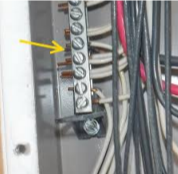
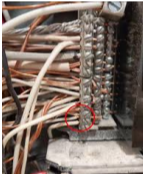
Why Was This Once Allowed?
In older electrical codes, it was common for electricians to place multiple neutral wires under a single lug (screw) on the neutral bus bar. At the time, there was little awareness of the potential risks, and many panels were even designed to accommodate this setup.
However, as our understanding of electrical safety improved, the National Electrical Code (NEC) changed its stance. Since 2002, the NEC has explicitly prohibited double-lugged neutrals (NEC 408.41) in residential panels. This means that any home wired before this update may still have double-lugged neutrals if the panel hasn’t been upgraded or corrected.
-------------------------------------------------------------------------------------
Why Is Double-Lugging Neutrals a Problem?
Even though it was once acceptable, double-lugging neutrals pose significant electrical risks,including:
1. Loose Connections & Overheating
The neutral bus bar is designed for only one wire per terminal. When two wires
are placed under the same screw, one of them may not be fully secured. Over
time, vibrations from electrical current can cause the loose wire to arc or
overheat, increasing the risk of a fire.
2. Potential Fire Hazard Due to Arcing
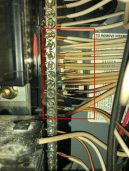
If the connection between the two neutral wires is poor or becomes loose over time, it can create electrical arcing—a high-energy electrical discharge that can generate extreme temperatures.Arcing can cause temperatures to exceed 10,000°F (5,500°C), which is hotter than the surface of the sun. This can lead to severe damage to the electrical panel, melted wiring, and even fires.
3. Difficult Troubleshooting & Repairs
If there’s a problem with a circuit and an electrician or homeowner needs to disconnect a neutral wire, removing one may also loosen or disconnect the other,
causing unexpected circuit failures or safety hazards.
4. Potential Shock Hazard
When a neutral wire is improperly secured, it can create an unintended live
connection, increasing the risk of electric shock when working in the panel.
-------------------------------------------------------------------------------------
What Are the Common Fixes for Double-Lugged Neutrals?
If a home inspector finds double-lugged neutrals during an inspection, a licensed electrician should correct the issue. Here are some common solutions:
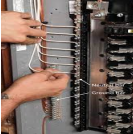
1. Move Each Neutral to an Open Terminal
○ Most modern panels have enough space to accommodate one
neutral wire per terminal. If available, each neutral wire should
be moved to its own separate lug.
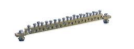
2. Install an Additional Neutral Bus Bar
○ If the neutral bus bar is full, an electrician may install an
additional one (if the panel allows for it) to provide more
connection points.
3. Upgrade the Electrical Panel
○ In some cases, particularly in older homes, the panel may be outdated or
overcrowded. Upgrading to a newer, code-compliant panel ensures safer
electrical distribution and may be necessary if other wiring issues exist.
-----------------------------------------------------------------------------------
How Much Does It Cost to Fix Double-Lugged Neutrals?
The cost of fixing double-lugged neutrals depends on the complexity of the issue and whether additional upgrades are needed. Here’s a general breakdown of what homeowners can expect to pay:
● Basic Fix: If there are open terminals available, an electrician can usually separate the neutrals in about 30 minutes to an hour. The cost for this service typically ranges from $100 to $250, depending on the electrician’s hourly rate and service fees.
● Adding a Neutral Bus Bar: If space is limited, installing an additional bus bar can cost $150 to $400, including parts and labor.
● Full Panel Upgrade: If the panel is outdated, lacks capacity, or has multiple issues, a full panel replacement might be recommended. This can cost $1,500 to $3,500 or more, depending on the size of the panel and local labor costs.
If you're a real estate agent or homebuyer, it’s important to note that this is generally an easy fix and should not be a dealbreaker when purchasing a home. However, it is a legitimate safety concern that should be addressed.
-------------------------------------------------------------------------------------
What Should Real Estate Agents and Homebuyers Do?
If double-lugged neutrals are noted in a home inspection report, don’t panic—this is a common issue in older homes and is usually an easy fix. However, it’s important to take it seriously, as improper corrections or continued use of double-lugged neutrals can lead to long-term electrical problems.
For homebuyers, this issue should be addressed before closing or included in negotiations with the seller.
For real estate agents, educating your clients on the importance of electrical safety can help prevent surprises during the transaction. Encouraging sellers to have their electrical panel checked before listing can also help streamline the process.
-------------------------------------------------------------------------------------
Final Thoughts
Double-lugged neutrals may have been a common practice in the past, but today, we know better. Electrical safety codes continue to evolve, and home inspections help ensure that homes are safe for their occupants.
By understanding this issue, real estate agents and homebuyers can make informed decisions, avoid unnecessary risks, and ensure a home’s electrical system is properly maintained.
If you have any questions about home inspections or electrical safety, feel free to reach out—we’re here to help!